
Ingrown Toenail Treatment
Ingrown Toenail Podiatry Services
Ingrown Toenails: Causes, Treatment Options, and Lasting Relief
Don't Let an Ingrown Toenail Become a Bigger Problem
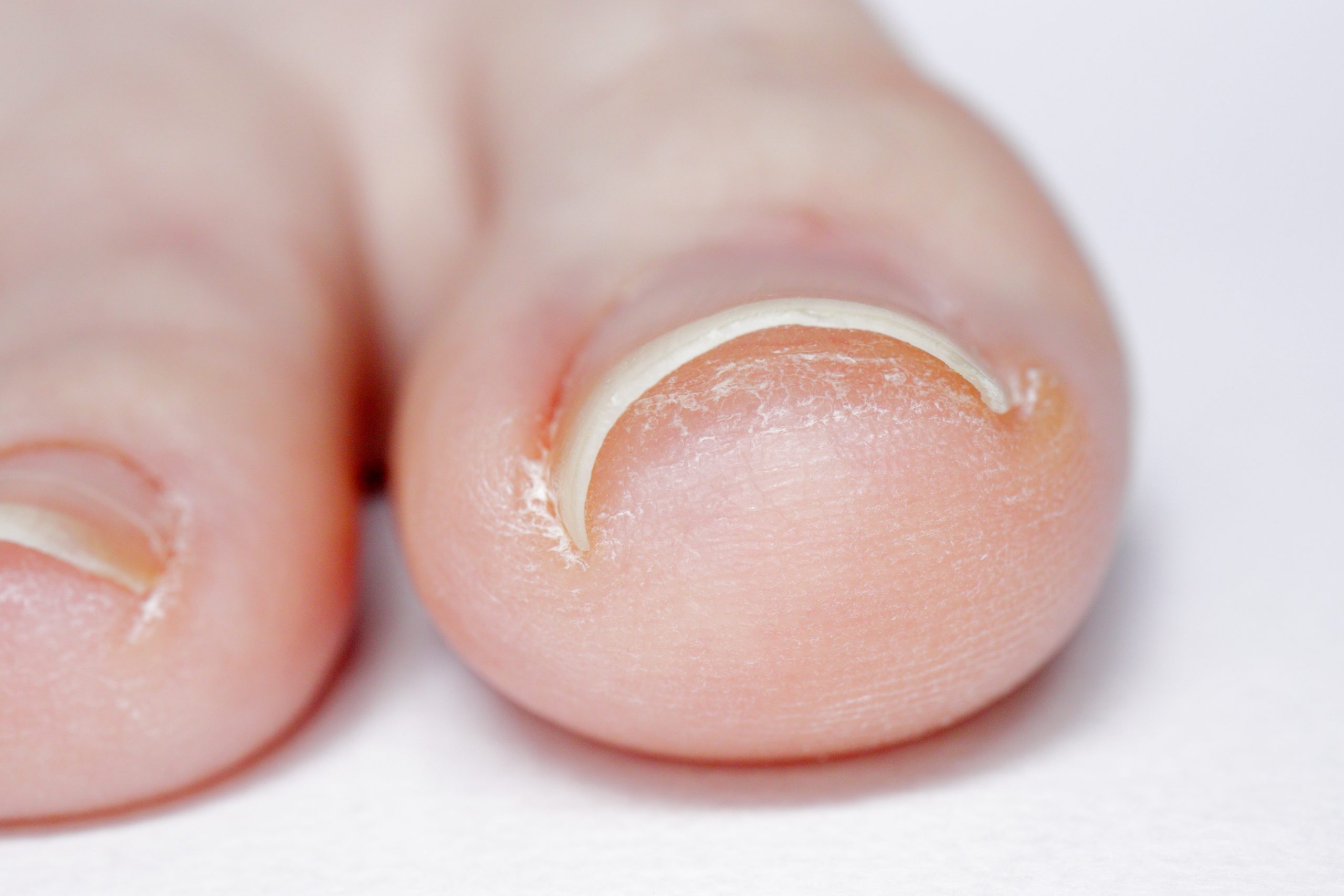
An ingrown toenail (onychocryptosis) occurs when the edge or corner of a toenail grows into the surrounding skin instead of over it. While it may begin as mild tenderness, an untreated ingrown toenail can quickly become painful, infected, and interfere with your daily activities.
At Foot and Ankle Institute of Iowa, we believe in treating the underlying cause of your ingrown toenail—not just the symptoms. We offer conservative treatments whenever appropriate, advanced nonsurgical correction systems, and surgical options when necessary, allowing us to customize treatment to your individual needs.
What is an ingrown toenail?
An ingrown toenail occurs when your nail grows into the skin surrounding the nail bed instead of out and away from your toe. Any toe can experience an ingrown nail, but the big toes are most commonly affected.
What Causes Ingrown Toenails?
Several factors can contribute to the development of an ingrown toenail, including:
Improper Nail Trimming
The most common cause is cutting toenails too short or rounding the corners. This encourages the nail to grow into the skin instead of straight forward.
Genetics
Some people naturally have nails that are excessively curved, wider than the nail bed, or grow downward, making them more susceptible.
Tight Shoes
Shoes that crowd the toes place constant pressure on the nail, forcing it into the surrounding skin.
Trauma
Dropping something on your toe, repetitive running, kicking sports, or repeated pressure can alter nail growth.
Thick or Deformed Nails
Fungal nail infections, previous injuries, or aging can cause nails to thicken and curve excessively.
Excessive Sweating
Moist skin becomes softer and more vulnerable to nail penetration.
Poor Foot Mechanics
Certain foot shapes or gait abnormalities may increase pressure on specific toes.
Signs You May Have an Ingrown Toenail
Symptoms often include:
- Pain along one or both sides of the nail
- Redness
- Swelling
- Tenderness when wearing shoes
- Drainage or pus
- Bleeding
- Overgrown skin around the nail
- Difficulty walking comfortably
If infection develops, prompt treatment is important, especially for individuals with diabetes, poor circulation, neuropathy, or a weakened immune system.
Conservative Treatment Options for Ingrown Toenails
Not every ingrown toenail requires surgery. Early treatment can often prevent progression.
Conservative treatment may include:
- Professional trimming of the offending nail edge
- Lifting the nail away from the skin
- Reducing pressure on the toe
- Footwear modifications
- Proper nail trimming education
- Management of fungal nail disease when present
- Topical or oral medication if infection is present
Our goal is to relieve pain while preserving the natural nail whenever possible.
NailLift®: Immediate Relief Without Surgery
For many patients, NailLift® provides a comfortable, conservative alternative to surgery.
NailLift gently elevates the edge of the ingrown nail away from the irritated skin. By reducing pressure, inflammation often decreases rapidly, allowing the tissue to heal while the nail continues to grow naturally.
Benefits of NailLift
- Immediate reduction in pressure
- Minimal discomfort
- No permanent alteration of the nail
- Little to no downtime
- Maintains the natural appearance of the nail
- Excellent for early or recurring ingrown nails
- Can delay or eliminate the need for surgery in selected patients
Many patients experience significant improvement almost immediately after treatment.
Onyfix® Nail Correction System
Onyfix is an innovative nail correction system designed to gradually change the way the nail grows.
Rather than removing part of the nail, Onyfix applies a specialized composite material to the nail plate. As the nail grows, the correction system gently guides it into a healthier, flatter shape.
Benefits of Onyfix®
- Completely nonsurgical
- Virtually painless
- No needles
- No removal of the nail
- No downtime
- Suitable for children and adults
- Can be used on diabetic patients when appropriate
- Helps reduce recurrence by correcting nail growth over time
Patients can continue most normal daily activities while wearing the correction system.
Temporary Surgical Treatment
When conservative treatment is no longer effective or infection is present, a temporary partial nail procedure may be recommended.
During this procedure:
- The toe is numbed with local anesthesia.
- Only the ingrown portion of the nail is removed.
- The remaining nail is preserved.
- Relief is usually immediate.
Since the nail root remains intact, the nail typically grows back over the following months. While this is an excellent option for isolated episodes, recurrence remains possible.
Permanent Surgical Treatment
Patients with chronic or repeatedly infected ingrown toenails often benefit from a permanent solution.
A permanent partial nail procedure removes the offending edge of the nail and treats the nail matrix (growth center) so that portion of the nail no longer returns.
Benefits include:
- High long-term success rates
- Dramatic reduction in recurrence
- Permanent elimination of the painful nail edge
- Narrower but natural-looking nail
- Minimal recovery time
This procedure is one of the most effective long-term solutions for chronic ingrown toenails.
How to Prevent Ingrown Toenails
Many ingrown toenails can be prevented with proper foot care.
Helpful Tips
- Trim toenails straight across.
- Avoid cutting nails too short.
- Do not round the corners.
- Wear shoes with adequate toe room.
- Replace worn-out footwear.
- Treat fungal nail infections early.
- Keep feet clean and dry.
- Wear properly fitting socks.
- Protect your feet during sports and work.
- Seek treatment before minor irritation becomes a major problem.
Routine foot care can significantly reduce your risk of recurrence.
Why You Shouldn't Treat an Ingrown Toenail Yourself
Many people attempt "bathroom surgery" using nail clippers, scissors, knives, or other household tools. Unfortunately, this often makes the problem worse.
Self-treatment can:
- Push the nail deeper into the skin
- Create additional injury
- Introduce bacteria
- Cause significant bleeding
- Delay proper healing
- Increase pain
- Lead to serious infection
Attempting to dig out the nail rarely addresses the actual cause of the problem and often results in repeated episodes.
The Truth About "Old Farmer's Remedies"
Home remedies have been passed down for generations, but many simply do not solve the underlying problem.
Common remedies include:
- Soaking in Epsom salts
- Packing cotton under the nail
- Applying Vicks® VapoRub
- Tea tree oil
- Apple cider vinegar
- Hydrogen peroxide
- Alcohol
- Cutting a "V" in the center of the nail
- Digging the nail out with sharp instruments
While warm soaks may temporarily reduce discomfort, none of these methods can change the direction the nail grows or permanently correct the problem.
Some home treatments may actually:
- Delay proper medical care
- Increase inflammation
- Cause chemical irritation
- Lead to worsening infection
- Create additional tissue damage
If redness, drainage, swelling, or significant pain develops, professional evaluation is strongly recommended.
Why Early Treatment Matters
Ignoring an ingrown toenail can allow a simple problem to become a complicated one.
Untreated ingrown toenails may lead to:
- Recurrent infections
- Abscess formation
- Excessive granulation tissue ("proud flesh")
- Cellulitis
- Difficulty walking
- Chronic pain
- Permanent nail deformity
For patients with diabetes, poor circulation, or nerve damage, even a small ingrown toenail can become a serious medical concern requiring prompt treatment.
We Offer Personalized Treatment
Every ingrown toenail is different. Some patients only require conservative care, while others benefit from advanced nail correction systems like NailLift® or Onyfix®. When necessary, permanent surgical correction provides long-lasting relief.
Our goal is always to choose the least invasive treatment that provides the best long-term outcome while helping you return to comfortable, pain-free activity as quickly as possible.
Schedule an Evaluation Today
If you're experiencing pain, redness, swelling, or recurrent ingrown toenails, don't wait until the problem becomes infected.
At Foot and Ankle Institute of Iowa, we provide comprehensive evaluation and individualized treatment plans using conservative care, advanced nail correction technologies, and surgical solutions when appropriate.
Let us help you get back on your feet—comfortably and confidently.